
The Apadāna of Pilindavaccha: Giving What Can Actually Be Used
PilindavacchattherāpadānaṃA gatekeeper in Haṃsavatī wanted to give what no one had given before. He did not choose the most expensive th…


Campeyyakkhandhakaṃ
A resident monk carefully looks after visiting monks. Once they are settled, he stops arranging their food, and the visitors accuse him of an offence and suspend him. The Buddha rules that he committed no offence, rebukes those who suspended him, and accepts their confession.
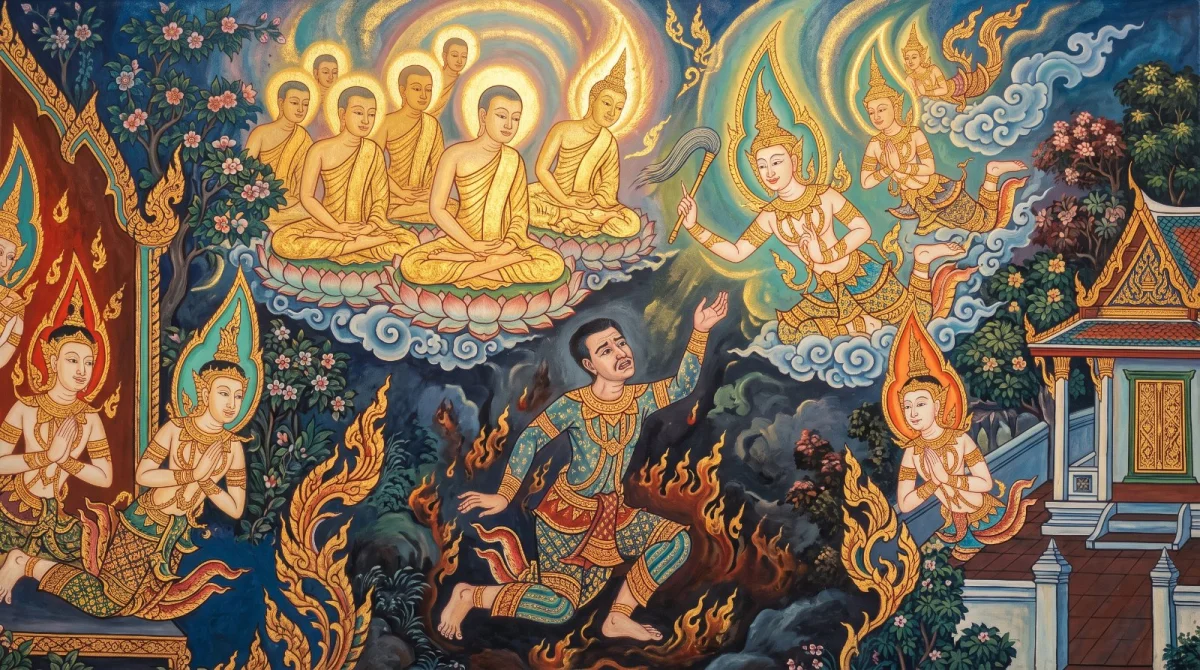
In the Campeyya Khandhaka of the Mahāvagga in the Vinaya Piṭaka, while the Buddha was staying by the Gaggarā lotus pond near Campā, a monk named Kassapagotta was the resident monk at the village of Vāsabha in Kāsi. He was devoted to the monastery, wishing that well-behaved monks who hadn't come would come, those who had come would live at ease, and the monastery would flourish.
When a group of visiting monks arrived, he prepared seats and water for their feet, took their bowls and robes, and arranged drinking water, bathing, gruel, snacks and meals. Finding him so good, the visitors stayed on. Once they had recovered from their journey and knew the alms route, he reflected that it is hard to keep making efforts among other people's families for life, and asking is disagreeable to people, so he stopped arranging food. The visitors decided he had turned bad, met, and accused him of an offence; when he said he saw no offence, they suspended him.
Kassapagotta was unsure whether he had really done wrong, so he travelled to ask the Buddha, who ruled that he had committed no offence and the suspension was invalid. The visiting monks then felt remorse and went to confess to the Buddha.
Kassapagotta worked so that well-behaved monks who hadn't come would come, those who had come would live at ease, and the monastery would flourish. When guests arrived, he went out to meet them, prepared seats and water for their feet, took their bowls and robes, and arranged water, bathing and food.
When someone new joins your team, home or community, the early days are when small acts of care mean the most, such as showing them around and where things are.
The visiting monks found the resident monk very good, arranging bathing, gruel, snacks and meals, so they agreed to stay on at Vāsabha.
Notice whether you like being with someone or somewhere because they're genuinely good or because they do everything for you, so you won't feel let down when that care lessens.
Once the guests had recovered from their journey and knew the alms route, Kassapagotta reflected that it is hard to keep making efforts among other people's families for life, and asking is disagreeable to people. So he stopped arranging gruel, snacks and meals.
Early help should lead the other person to look after themselves. Once they can stand on their own, stepping back isn't unkind, especially when continuing starts to burden others.
The guests said that the resident monk used to take care of everything and now had stopped, so he had become bad. They met and told him he had committed an offence; when he replied that he had no offence to see, they suspended him for not seeing an offence.
When you feel resentful that someone stopped doing something nice for you, first ask whether it was really their duty, or a kindness you'd grown so used to that you forgot.
Kassapagotta thought he didn't know whether it was an offence, whether he had really been suspended, or whether it was legitimate. So he put away his lodging, took his bowl and robe, and travelled to Campā to ask the Buddha. The account doesn't say he argued with those who suspended him.
When accused and unsure whether you're at fault, don't rush to hit back or to admit it. Consult someone neutral who knows the standards.
The Buddha greeted him, asked after his welfare and heard the whole story, then ruled that it was not an offence, he had not committed one, and the suspension was illegitimate and unjustified; he should go back and live at Vāsabha. Later the Buddha laid down that monks must not suspend a pure monk without an offence, without grounds or reason.
When you must settle a conflict at home or at work, hear everything first, then ask whether any rule or agreement was actually broken, rather than judging from the feeling that "they're not the same as before".
The visiting monks felt remorse at having suspended a pure monk without reason, so they went to the Buddha. He rebuked them for acting improperly. They bowed at his feet and confessed they had acted out of foolishness. The Buddha accepted their confession and said that one who sees a transgression as a transgression, makes amends according to the Dhamma and restrains himself in future, this is growth in the discipline of the noble ones.
When you realise you accused someone wrongly, apologise to them, or in front of those who know about it; don't let it fade into silence. Admitting fault is growth, not losing face.
This is very familiar in real life. Someone who used to do more than their duty stops one day, and those around them feel wronged, although what they received was kindness, not entitlement, like a colleague who used to cover for others or a relative who used to babysit for free.
Kassapagotta also offers a lesson. He didn't accept an accusation he didn't see as valid, but he also admitted he didn't know for sure. He went to ask someone who could judge fairly.
The ending matters just as much: those who judged wrongly admitted it plainly, and the Buddha said this is growth, not disgrace.
Tap to read the actual passage on the page cited.
A gatekeeper in Haṃsavatī wanted to give what no one had given before. He did not choose the most expensive th…

The Paṭṭhāna is the last and longest Abhidhamma book. It opens with a list of 24 conditions and explains how s…

King Brahmadatta admits he has transgressed the Dhamma and asks the sage Saṅkicca where such a person goes. Th…

Sāriputta's past lives according to the Apadāna: the ascetic Suruci who honoured the Buddha Anomadassī with ei…