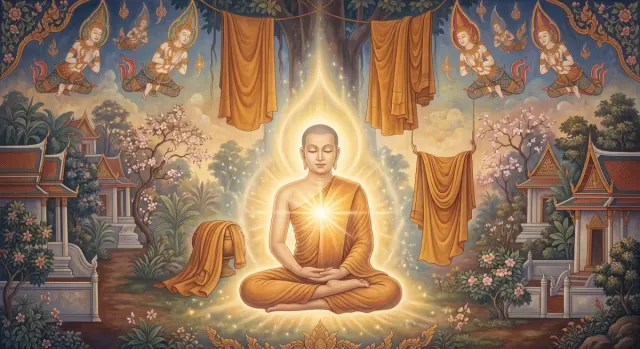
The Shorter Discourse at Assapura: A Recluse Is Not Made by Clothing
SamaṇasāmīcipaṭipadāWearing the outer robe, going naked or wearing matted hair does not make anyone a recluse. If dressing that wa…


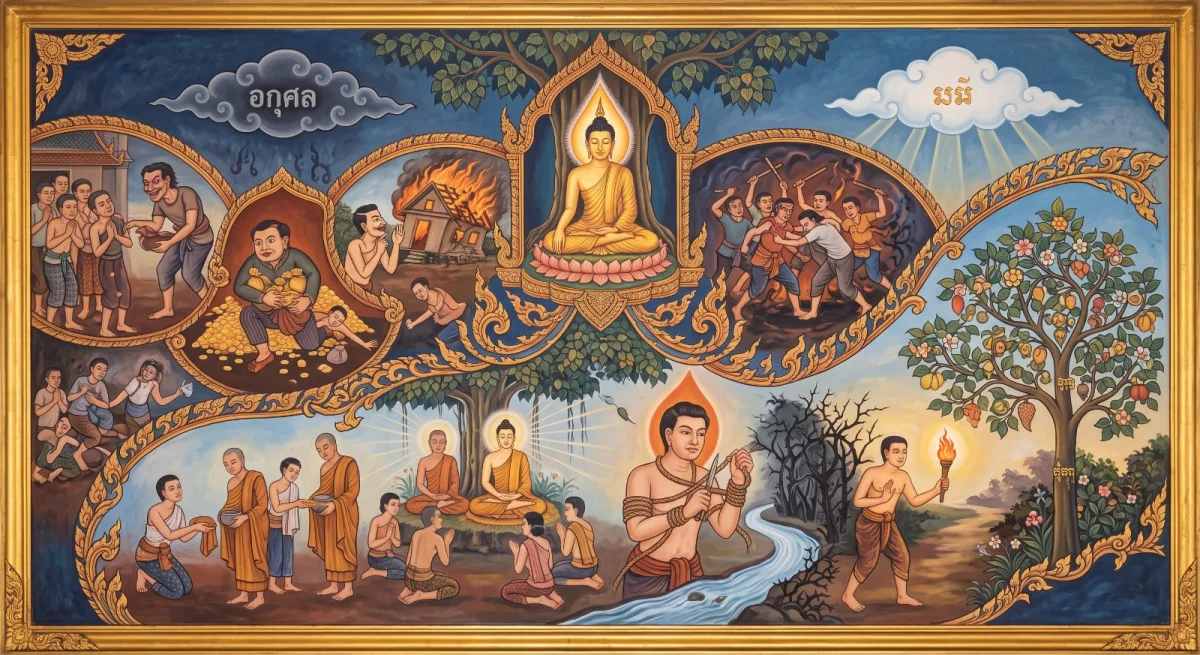
Akusalaṃ bhikkhave pajahatha
The Buddha tells Ānanda that bodily, verbal and mental misconduct should categorically not be done, since it brings five dangers, while good conduct should categorically be done, since it brings five benefits. He then says: give up the unskilful, because it can be given up, and giving it up leads to welfare and happiness.
In the Chapter on Disciplinary Issues of the Book of Twos, Aṅguttara Nikāya, Ānanda comes to see the Buddha, who says he declares bodily, verbal and mental misconduct categorically not to be done. Ānanda asks what danger follows from doing it. The Buddha gives five: you blame yourself; the wise, after examination, criticise you; a bad reputation spreads; you die confused; and after death you are reborn in a place of loss, a bad destination, the underworld, hell. Good conduct of body, speech and mind should categorically be done, with the five opposite benefits.
In the next discourse the Buddha tells the monks: give up the unskilful. The unskilful can be given up. If it couldn't, he would not say so; and if giving it up led to harm and suffering, he would not say so either. But because it can be given up, and giving it up leads to welfare and happiness, he says it. He speaks of developing the skilful with the same reasoning.
"Categorically" means there is no exception to weigh up. It is a clear answer, unlike many matters the Buddha asks us to consider case by case.
The Buddha affirms to Ānanda that bodily, verbal and mental misconduct are categorically not to be done. Ānanda then asks what danger a person who does them should expect.
Set a few non-negotiable lines in advance, such as not cheating with money and not lying to save yourself, so you don't have to decide afresh every time you're tempted.
The first danger is that you blame yourself. It is a danger that falls on the doer without anyone else needing to know.
Before doing something you're unsure about, ask yourself: tonight before sleep, how will I see myself?
The second and third dangers are that the wise, after examination, criticise you, and a bad reputation spreads. "After examination" shows this is not idle gossip but the judgement of those who have looked into it.
Give more weight to criticism from people who know the matter and judge fairly than to general noise online.
The fourth danger is dying confused; the fifth is that after death you are reborn in a place of loss, a bad destination, the underworld, hell.
Think of the end of your life and ask what you would not want left weighing on you then. Whatever that is, stop doing it from today.
Good conduct of body, speech and mind should categorically be done. Its benefits: you don't blame yourself, the wise praise you after examination, a good reputation spreads, you don't die confused, and after death you are reborn in a good place, a heavenly realm.
The ease of not having to fear your own blame is an immediate result of doing good. Notice that feeling after some small good deed.
The Buddha says: give up the unskilful. It can be given up. If it couldn't, he would not say "give up the unskilful"; because it can, he says so.
When an inner voice says "I'm just like this, I can't change", answer it with this reasoning, then start with the smallest part you can manage.
If giving up the unskilful led to harm and suffering, he would not say to give it up. But because giving it up leads to welfare and happiness, he says so.
Write down how your life would improve if you dropped the habit you want to drop, and keep it to read when you're tempted to go back.
He continues: develop the skilful. It can be developed, and once developed it leads to welfare and happiness, so he says so.
Besides dropping something bad, add one good thing in its place, such as replacing complaining with thanking someone once a day.
Many people are stuck in the thought "This habit can't be changed." This discourse answers directly: if it couldn't be given up, the Buddha wouldn't tell us to give it up. His instruction is both an assurance and an encouragement.
The five dangers run from the nearest to the furthest. The first, blaming yourself, happens straight away, without anyone else finding out. It works well as a check before deciding to do something.
Giving up old habits may take time and help. For some things, such as addiction or behaviour that feels out of control, seek professional help alongside your practice.
Tap to read the actual passage on the page cited.
Wearing the outer robe, going naked or wearing matted hair does not make anyone a recluse. If dressing that wa…

A brahmin abuses the Buddha with harsh words. The Buddha asks: if guests don't accept the food you serve, whos…

Can someone who cheats to support their family plead that excuse before the wardens of hell? Sāriputta goes th…

The monkey king stretches his own body into a bridge so his troop can cross to safety. When a king asks what t…